 TR
TR EN
EN DE
DEShowing all 11 results
DISASTER AWARENESS
- AF_03
Avalanche Simulator
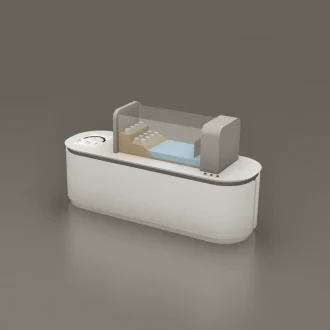
AF_03In the avalanche simulator, the visitor starts the snowfall in the simulation model by pressing the button on the table. An avalanche is formed by spraying the accumulated snow (ball). In one of the two separate models, there is a terrain without vegetation, and in the other there is a terrain with trees and barriers. The visitor observes the differences between the two models and examines the effects of deforestation on avalanche damage.
AF_03 - AF_07
Fault Lines
AF_07Visitors apply paper tape along fault lines at three stations representing different types of tectonic plate movement. At each station, they rotate a crank that forces the plates to move relative to each other, modeling plunging, spreading or shear forces in typical plate motions. The tape resists movements until the pressure is too high and, depending on the station, splits, tears/creases or breaks.
AF_07 - AF_17
Flood and Flood Simulator
AF_17Visitors can make it rain from the clouds in the models by pressing the button on the table. The model on the left shows houses built on a concrete floor and a stream bed. Here, it is noticeable that the houses have been badly damaged by the flood. On the right, in the forest in the model, some of the flood water is absorbed by the soil, reducing the impact of the flood. It is learned that the destruction of forests affects the consequences of flooding.
AF_17 - AF_12
Global Warming Potential
AF_12There are 4 circles for each greenhouse gas on the table. The temperature felt in the circles varies according to the rate of impact of the respective greenhouse gas on global warming. The order from the hottest circle to the least hot is as follows: phosphorus gases, nitrous oxide, methane and carbon dioxide. On and around the map of the world on the table, the proportion of greenhouse gases in the atmosphere is shown with LEDs.
AF_12 - AF_09
Hose
AF_09The polar vortex, which normally blows in a circular formation, is unevenly distributed due to climate change. Visitors observe the formation of a tornado on the apparatus. They get information about the effects of the relationship between the polar vortex and climate change on seasonal conditions.
AF_09 - AF_05
Layers of the World
AF_05There is a quarter circle on the table. By sliding the slider on the table, the layers inside the sphere move and open to the right. The innermost sphere is led to represent the temperature of the core.
AF_05 - AF_15
Ozone Layer
AF_15It is an interactive device in which the change in the ozone layer over Antarctica over the years is reflected on the half-world globe on the table. The year slider starts from 1979 and continues until the year with the most recent data.
AF_15 - AF_16
Richter Scale
AF_16On the table, there are buttons on the table that express 2023 Turkey -Syria Earthquake, 2020 Turkey Seferihisar Earthquake, 2010 Chile Earthquake, 2004 Indian Ocean Earthquake. In the device that works in the logic of the needle scale, the selected button is pressed. The needle on the desktop shows the magnitude of the earthquake, which is the energy equivalent of the event on this button.
AF_16 - AF_11
Rocks
AF_11There are rock types on the circle. When the inner circle is rotated, only the circle slice of the rock on the open surface is visible. On the circle slice, there are short information and visuals about the properties of this rock. At the same time, the students reach detailed information about the rocks by examining the rock samples in the plexi boxes.
AF_11 - AF_20
Tsunami
AF_20The visitor creates waves in the water by pressing the buttons on the assembly table. By creating waves of different sizes, the visitor observes the effects of these waves on the houses on the shore.
AF_20 - AF_08
Vortex
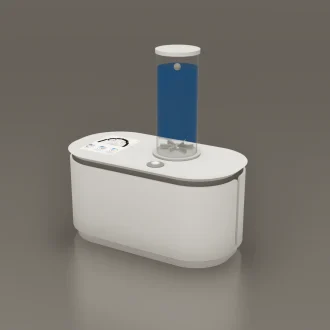
AF_08Visitors press the button on the table and the propellers in the chamber start to rotate when the button is pressed. The vortex formed in the water causes the ball in the chamber to be pulled towards the center. Visitors observe the effect of the vortex on the objects in the water.
AF_08